
The "Neural Trojan": Why the CAIO & CLO Are Now Personally Liable for Algorithmic Negligence
- Pouya Shafabakhsh
- Feb 26
- 2 min read
In the boardroom, Artificial Intelligence was sold as an efficiency tool. In the courtroom, it is now being prosecuted as a strict liability weapon. With the advancement of Canada’s Artificial Intelligence and Data Act (AIDA) and the looming Bill C-27, the corporate veil is thinning.
Executive AI Liability is the new reality. Chief AI Officers (CAIO) and Chief Legal Officers (CLO) are no longer just strategic advisors; they are the "Accountable Officers" for the behavior of the organization’s neural networks. If your AI hallucinates a regulatory breach, the liability lands on your desk.

The New Duty of Care for Officers
CAIO Risk Management: Beyond Innovation
The CAIO’s role has shifted from "Deployment" to "Containment." Under the AIDA Compliance Audit framework, officers must prove they established "measures to identify, assess, and mitigate" risks. If you deployed a GenAI customer service agent that promised a refund it couldn't deliver (the Air Canada precedent), that is not a software bug; it is a governance failure. Radsam Academy provides the Sovereign Audit Trail that proves you exercised due diligence.
CLO Duty of Care: The "Ignorance" Defense is Dead
A CLO cannot claim, "I don't understand the code." Bill C-27 Penalties for non-compliance are severe (up to 3% of global revenue), but the reputational damage is terminal. The CLO must ensure that every AI system—from HR screening tools to contract drafting bots—has undergone a Deterministic Reliability Audit. If you are signing off on compliance without a forensic certificate, you are signing a blank check to the regulators.
Audit Requirements for High-Impact Systems
Corporate AI Governance Standards
"High-Impact" systems (e.g., employment, lending, biometrics) require a higher standard of care. You must maintain a record of the model’s training data, its error rates, and its human oversight protocols. A standard "Consulting Report" is insufficient evidence in court. You need a Forensic Chain of Logic—a document that traces the decision-making pathway of the AI.
Mitigating Officer Liability for Algorithmic Harm
The only defense against personal liability is Demonstrable Governance. Radsam Academy serves as the External Forensic Auditor for the Board. We provide an independent, ISO/IEC 42001 aligned audit that certifies your systems are operating within the "Sovereign Risk Perimeter." This certificate is your insurance policy against allegations of negligence.
The "Internal Trojan" Threat
Board of Directors AI Oversight Duties
Your internal "Legal AI Copilot" is a potential Trojan Horse. If it ingests sensitive Board minutes and leaks them to a public cloud, the Board has breached its fiduciary duty. We perform Neural Leakage Triage to ensure that your governance tools are not the very source of your liability.
Protect the C-Suite from the Algorithm. Certify your governance before the Regulator audits it.
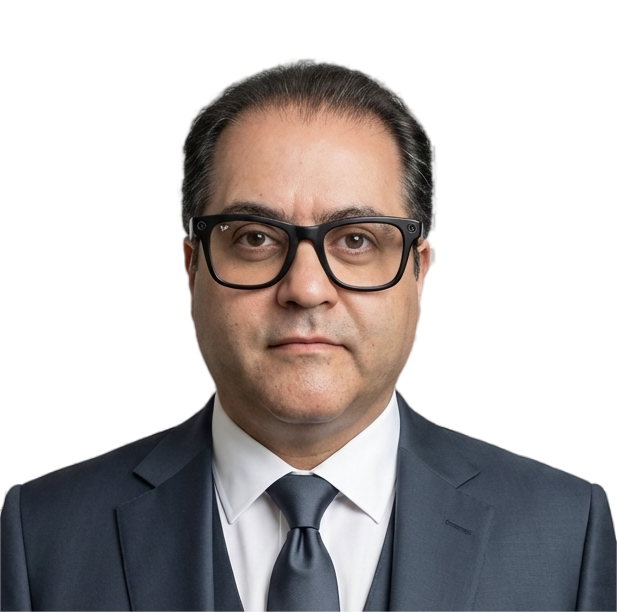
Author: Pouya Shafabakhsh Principal Forensic AI Auditor | Co-Founder, CAIO Radsam Academy of AI Sovereign Governance The Independent Forensic AI Auditing Firm, with Canada-U.S. Litigation Specialization


Comments